Lichen, Algae or Moss? Identifying What Is Growing on Your Blyth Roof
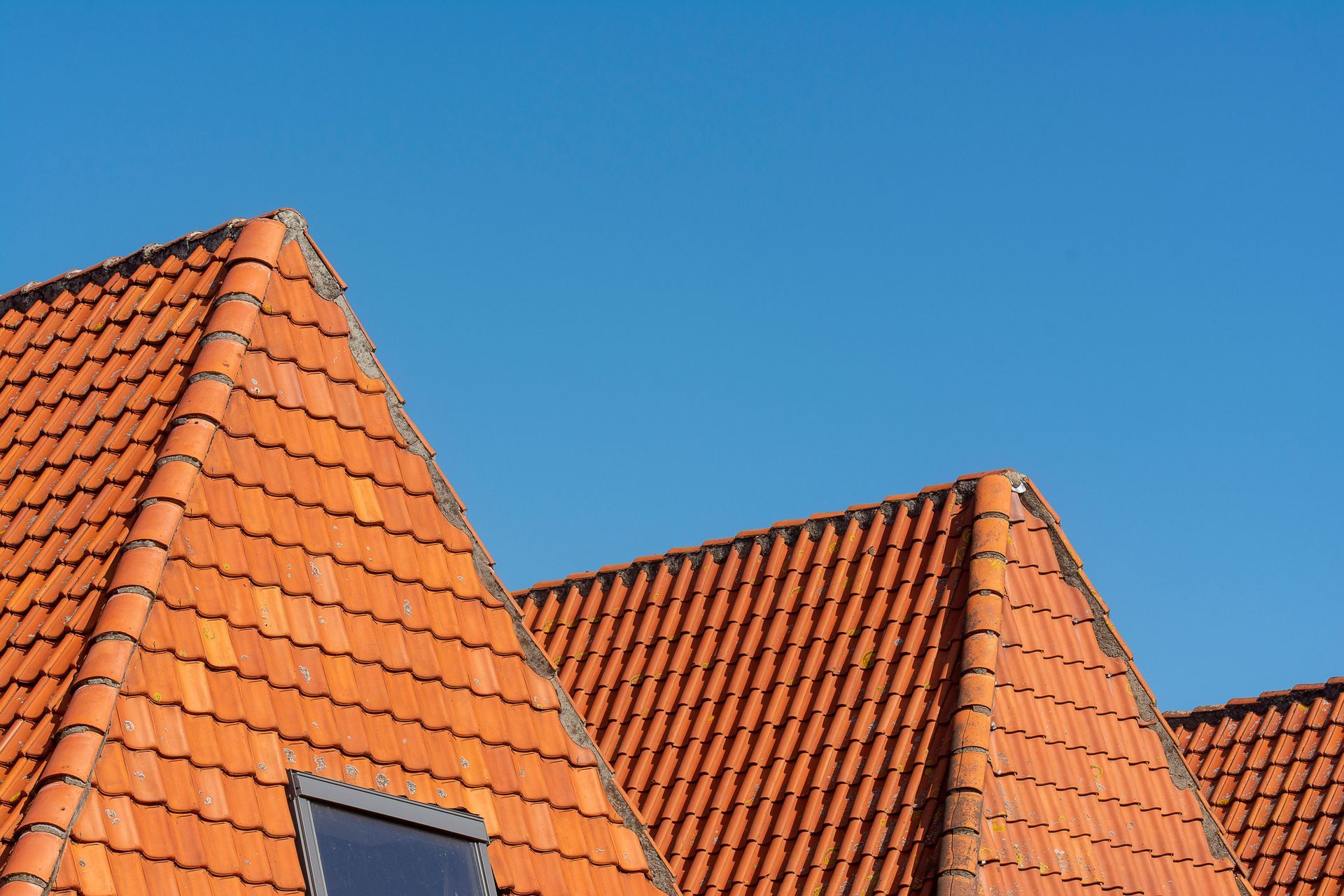
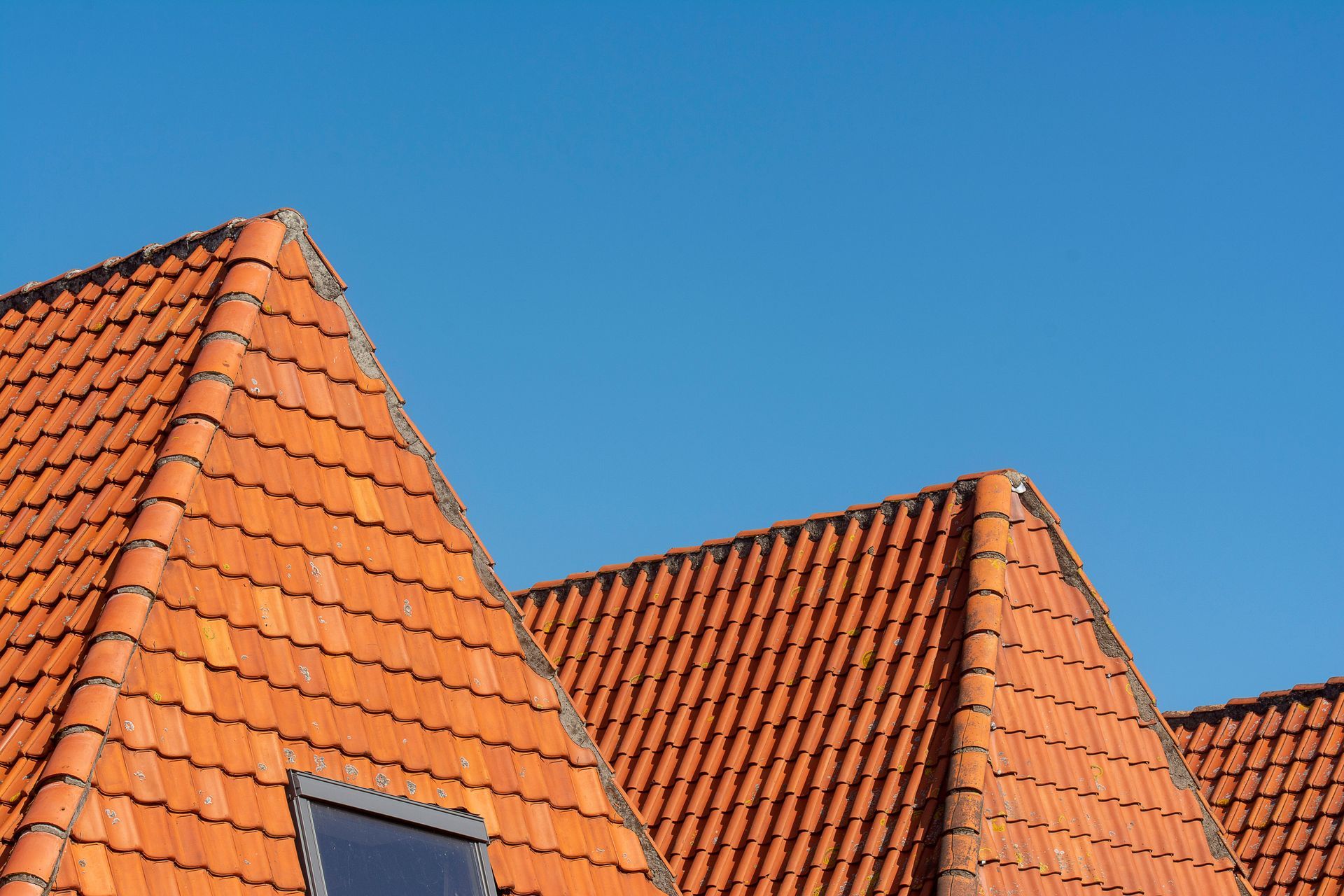
Look up at almost any roof in Blyth and you will spot something growing on it. Green streaks, dark stains, spongy cushions of green, or crusty grey and orange patches that look almost painted on. Most of us lump all of it together as moss and think no more about it, but these are actually three different organisms, and knowing which is which tells you a great deal about the state of your roof.
Lichen, algae and moss each behave differently, cause different problems, and respond differently to cleaning. Getting a handle on what you are looking at helps you understand whether your roof needs urgent attention or simply a routine wash. Let us clear up the confusion and take a proper look at what tends to colonise roofs in this corner of Northumberland.
The quick answer: Algae shows as dark streaks or a green film, moss forms thick spongy green cushions that hold water, and lichen appears as flat crusty patches in grey, green or orange that cling stubbornly to the surface. All three thrive in Blyth's damp, salt-laden coastal climate. Soft washing with low pressure water and a biocide is the safe way to remove all three and slow their return, whichever has taken hold on your tiles.
1. Algae, the dark streaks and green film
Algae is usually the first thing to appear and the least obvious to spot at a glance. It shows up as a thin green film or, more often, as those dark, dirty streaks running down a roof slope that many people mistake for general grime. On lighter coloured tiles it can look almost black, which is why algae stained roofs often appear far older and shabbier than they really are.
The good news is that algae sits on the surface and does not root into the tile. It feeds on moisture and the minerals in the roof covering, which is why north facing and shaded slopes in Blyth are usually the worst affected. Have you noticed one side of your roof looks grubbier than the other? That is algae responding to the damp, shaded conditions. A soft wash lifts it away and the biocide keeps it from racing back.
2. Moss, the thick green cushions
Moss is the growth most people picture, and it is hard to miss. It forms plump, spongy green cushions that build up along tile edges, in the gaps between tiles, and anywhere debris collects. In our damp coastal climate it can grow surprisingly thick, and clumps often break loose and slide down into the gutters after heavy rain.
Unlike algae, moss is a genuine problem for the roof itself. It holds water like a sponge, keeping the tiles permanently damp, and it works its way into joints and under the edges of tiles and slates. When winter frosts arrive, that trapped water freezes, expands and can crack or lift coverings. Left unchecked through several Northumberland winters, moss does real, lasting harm, which is why it should never simply be ignored.
3. Lichen, the stubborn crusty patches
Lichen is the one people most often misidentify. It appears as flat, crusty patches in shades of grey, pale green, yellow and sometimes orange, and it clings so tightly to the tile surface that it can look like part of the roof itself. It is actually a partnership between a fungus and an algae, and it is remarkably tough.
Because lichen bonds so firmly to the surface, it is the most stubborn of the three to remove and needs the biocide time to work through it fully. Interestingly, lichen tends to favour cleaner air, so its presence is not always a sign of a filthy roof. What it does share with moss and algae is a love of the damp, and Blyth's maritime climate suits it perfectly. Removing it properly takes patience and the right approach rather than brute force.
4. Why all three love Blyth roofs
There is a reason roofs here grow so much greenery. Blyth sits right on the North Sea coast, and that setting delivers everything these organisms crave. Persistent damp air, frequent rain, salt carried inland on the wind, and long stretches where a roof never fully dries out create ideal growing conditions across the town, from the older streets near the harbour to the estates further inland.
The town's exposed coastal position, shaped by its history as a coal and shipbuilding port, means driving rain and sea mists are a regular feature. Shaded slopes, overhanging trees and north facing elevations dry slowest and grow the most. Understanding why your roof is so hospitable to moss and its relatives is the first step to keeping it under control.
5. How soft washing tackles each one
The temptation, faced with all this growth, is to blast it off with a pressure washer. This is a mistake. High pressure water can crack tiles, strip protective coatings and force water under slates, and it does nothing to stop the growth returning, often faster than before. It is one of the quickest ways to turn a cleaning job into a repair job.
Soft washing takes a different route. Low pressure water gently clears the bulk of the growth, while the biocide gets to work killing moss, algae and lichen right down to the spores. That is what gives lasting results, because the treatment keeps acting after we leave. Whether your roof has algae streaks, moss cushions or lichen crusts, the same gentle method handles all three without risking the tiles.
6. When to act on what you have found
So how urgent is your particular problem? A light film of algae is mostly cosmetic and can be dealt with at your convenience, though clearing it keeps the roof looking cared for. Thick moss is more pressing, because of the moisture and frost damage it causes, and it is worth tackling before another winter. Lichen sits somewhere in between, unsightly and stubborn but slower to cause structural harm.
In practice, most Blyth roofs carry a mix of all three, and a single soft wash deals with the lot. Rather than trying to diagnose every patch yourself, the simplest approach is to have someone take a proper look and advise on what your roof needs. That way you treat the real problem, not just the part you can see from the pavement.
- Algae: dark streaks or green film on the surface, largely cosmetic but ages the look of a roof.
- Moss: thick spongy cushions that trap water and cause frost damage, the most harmful of the three.
- Lichen: flat crusty grey, green or orange patches, very stubborn and slow to remove.
- All three: thrive in Blyth's damp coastal climate and are cleared safely by soft washing.
Frequently Asked Questions
Is the black staining on my roof dangerous?
Black staining is usually algae, which sits on the surface and is more of a cosmetic issue than a structural one. It makes a roof look old and neglected, but it does not damage tiles the way moss can. A soft wash removes it easily.
Why is moss worse than algae or lichen?
Moss holds water against the tiles and grows into joints and under edges. When that trapped moisture freezes in winter it expands and can crack or lift coverings, so moss causes genuine structural harm rather than just spoiling the look.
Can I scrape lichen off myself?
We would not recommend it. Lichen bonds tightly to the tile and scraping risks damaging the surface, while working at height is dangerous. It also does not stop the lichen returning. A biocide treatment is the safe, lasting way to deal with it.
Does lichen mean my roof is unhealthy?
Not necessarily. Lichen actually tends to grow where the air is relatively clean, so its presence is not a sign of a dirty roof. It is unsightly and stubborn, but it grows because of the damp rather than because anything is wrong with the tiles.
Will one clean remove all three types?
Yes. Soft washing with a biocide tackles algae, moss and lichen together. The biocide keeps working after the visit, gradually clearing the more stubborn lichen and slowing the return of all three across the seasons.
Not sure what is growing on your roof?
Ben's Roof Cleaning brings over 15 years of experience in safe, effective roof cleaning across Blyth and the surrounding area. Get in touch or call 07889 127153
for a free, no-obligation quote.
Knowing what you are dealing with makes all the difference
Whether your Blyth roof has picked up algae streaks, moss cushions or crusty lichen, each tells its own story about the damp coastal conditions we live with here. Moss is the one to watch most closely, but all three are best cleared before they get established. A single soft wash handles the lot safely and keeps your tiles clearer for longer, so the greenery does not get the chance to shorten the life of your roof.